The Logistics of Long-Distance Mortuary Transport: What You Need to Know
Long-distance mortuary transport is a critical service that ensures the dignified transfer of a deceased individual across state or even international borders. Whether due to family relocation, burial preferences, or unforeseen circumstances, transporting remains over long distances involves complex logistics, legal requirements, and sensitive handling. This guide will explore the key aspects of long-distance mortuary transport, providing essential information for families, funeral directors, and transport professionals.
Understanding Long-Distance Mortuary Transport
Long-distance mortuary transport refers to the process of moving human remains from one location to another, typically over a significant distance that requires professional transportation services. It can be necessary for various reasons, including:
- Relocation of the deceased’s family: Families may wish to bury their loved one in a hometown or family plot far from where they passed away.
- Preferred burial location: Some individuals specify a burial or cremation site in a different state or country.
- Repatriation: Transporting a deceased individual back to their home country for burial.
- Medical examiner or legal requirements: In cases of criminal investigations or forensic examination, transport may be required for further analysis.
Key Considerations for Long-Distance Transport
1. Legal and Documentation Requirements
Transporting human remains across state lines or international borders requires compliance with various laws and regulations. Essential documents often include:
- Death certificate: A legally issued document confirming the individual’s death.
- Embalming and transit permits: Many jurisdictions require embalming or refrigeration for transport, along with a transit permit.
- Consular documentation (for international transport): When repatriating remains, embassies or consulates may require specific paperwork, such as an affidavit of embalming, a passport of the deceased, and an airline-specific permit.
- Funeral home authorization: Most funeral homes must coordinate with receiving and dispatching funeral homes to ensure smooth transportation.
2. Choosing the Right Transportation Method
The choice of transport depends on the distance, urgency, and costs involved. The most common methods include:
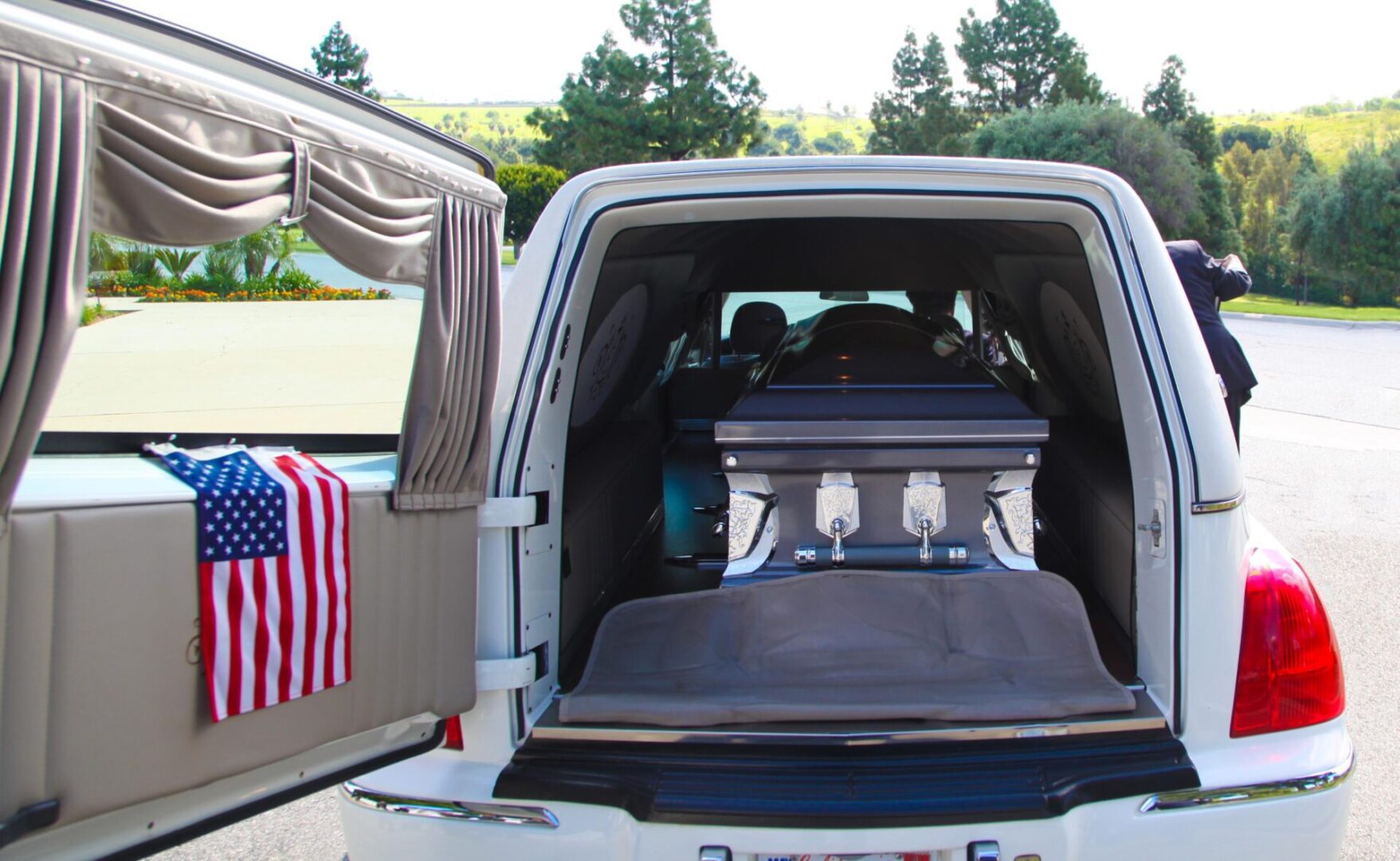
- Ground Transport: Funeral homes often use specially equipped vehicles for transport within the same state or between nearby states. This method is cost-effective and can be arranged relatively quickly.
- Air Transport: When transporting remains over long distances or internationally, air travel is the preferred method. Many airlines have specific procedures for handling human remains, requiring them to be shipped in a specialized container within the cargo hold.
- Sea Transport: In rare cases, remains may be transported via sea, but this method is typically reserved for military or historical circumstances.
3. Cost of Long-Distance Mortuary Transport
Costs can vary significantly based on distance, method of transport, and additional services required. Some common expenses include:
- Funeral home services: Preparation, documentation, and coordination fees.
- Airline fees: Depending on the airline and destination, air transport can range from $1,000 to $5,000.
- Ground transportation fees: Typically ranges from $1.50 to $4 per mile.
- Embalming or refrigeration: Required by many jurisdictions, costing an additional $500 to $1,500.
- International repatriation fees: Additional paperwork and embassy processing fees can increase costs.
Families should consult with their funeral director to get an accurate estimate based on their specific situation.
Embalming and Alternative Preservation Methods
Most long-distance transports require embalming to prevent decomposition during transit. However, alternatives such as refrigeration or dry ice packing may be used in certain cases, particularly for short-distance ground transport.
International regulations may also require a hermetically sealed casket, particularly for air transport. Compliance with airline and government regulations is crucial to avoid delays or legal complications.
Working with a Mortuary Transport Service
Many funeral homes partner with specialized mortuary transport companies that handle the logistics of moving remains. These professionals are trained in:
- Handling delicate situations with care and dignity
- Navigating legal and documentation requirements
- Coordinating with airlines, customs, and embassies for international transport
- Providing secure and respectful transportation options
Families should ensure that the chosen service is licensed, experienced, and able to handle the specific requirements of the transport.
Repatriation: International Transport of Remains
Repatriation is the process of returning a deceased person to their home country for burial. This process is often complex and involves:
- Coordinating with consulates and embassies
- Securing necessary permits and legal documents
- Arranging transport with an airline familiar with mortuary shipping
- Ensuring the receiving country’s regulations are met
Funeral homes and transport services specializing in repatriation can handle these details to minimize stress on the family.
Steps for Families Handling a Long-Distance Transport
For families arranging long-distance transport, the following steps can help streamline the process:
- Contact a funeral home: Find a reputable funeral home in both the departure and destination locations.
- Gather necessary documents: Ensure you have all required paperwork, including the death certificate and transport permits.
- Choose a transport method: Decide whether ground or air transport is most appropriate.
- Confirm embalming or preservation requirements: Check with local regulations to determine what is required.
- Coordinate with airlines (if applicable): Work with a funeral home experienced in mortuary transport to book flights and comply with airline policies.
- Prepare for customs (for international transport): If repatriating remains, confirm all legal and consular requirements with the destination country.
- Ensure proper receiving arrangements: Verify that the receiving funeral home is prepared to handle the arrival of the remains.
Conclusion
Long-distance mortuary transport is a sensitive and highly regulated process that requires careful planning and professional handling. By understanding legal requirements, choosing the right transportation method, and working with experienced professionals, families can ensure their loved one is transported with dignity and care. Whether moving remains across state lines or internationally, proper coordination and knowledge can ease the burden during a difficult time.
Tags: